This article is part of our comprehensive guide to Dental Tourism in Vietnam: Ho Chi Minh City, Hanoi, and Da Nang.
Dental implants in Vietnam are artificial tooth roots surgically positioned into the jawbone beneath the gums to hold replacement teeth or bridges, representing a rapidly growing medical tourism option that offers Australian patients substantial savings compared to domestic private fees. Because the Australian healthcare system excludes routine and major dental care from Medicare, patients must rely on private health insurance or pay high out-of-pocket costs at local clinics. For complex procedures like single dental implants or full-arch All-on-4 restorations, these domestic costs can easily lead to financial strain. Vietnam has emerged as a premier clinical destination for Australians, offering state-of-the-art dental centers in Ho Chi Minh City, Hanoi, and Da Nang that utilize identical European and American implant brands at a fraction of the cost.
The Australian Dental Cost Crisis and the Insurance Gap
For many Australians, maintaining oral health has become a significant financial challenge due to the high cost of local dental care. According to recent surveys by the Australian Dental Association (ADA), the average cost of a single dental implant, including the abutment and final porcelain crown, ranges between AUD $5,000 and AUD $7,500. For patients requiring full-mouth restorations like All-on-4, the total cost frequently exceeds AUD $30,000 per arch. Because Medicare does not cover dental treatments for the vast majority of adults, patients are left with few options. Even those with premium “Extras” private health insurance coverage face strict annual limits, typically capped between AUD $1,000 and AUD $2,000 for major dental work, leaving them with massive out-of-pocket bills.
Furthermore, private health insurance policies in Australia are subject to strict waiting periods, often requiring patients to pay high monthly premiums for 12 months before they can claim rebates on major dental work. Once this waiting period is met, the actual rebate is limited by lifetime caps on orthodontic and implant procedures, making insurance inadequate for comprehensive reconstructions. Consequently, an increasing number of Australians are choosing to pay for their dental work directly, finding that they can travel to Vietnam, undergo advanced implant surgery, enjoy a luxury vacation, and return home while still saving thousands of dollars compared to the cost of local treatment.
Why Vietnam? HCMC, Hanoi, and Da Nang
Vietnam’s dental tourism sector is built around three major urban centers, each offering distinct advantages for visiting international patients. Ho Chi Minh City (HCMC) operates as the primary medical hub, housing the largest and most technologically advanced multi-specialty dental hospitals. Many of these facilities feature in-house CAD/CAM laboratories, 3D CBCT scanners, and international patient departments staffed by English-speaking coordinators. Hanoi, the nation’s capital, combines clinical quality with a rich cultural experience. It is highly popular among patients who wish to combine their surgical visits with tours of the historic Old Quarter or trips to nearby Ha Long Bay.
For patients seeking a more relaxed recovery environment, Da Nang has become a highly popular dental destination. Situated along the central coast, Da Nang features modern boutique clinics located near luxury beachfront resorts. The city’s slower pace and clean air provide an ideal environment for post-operative recovery, allowing patients to heal comfortably away from the busy traffic of Hanoi and HCMC. Regardless of the city chosen, Australian patients benefit from high standards of clinical care, as top Vietnamese implantologists are often trained internationally in Australia, France, or the United States, maintaining professional standards that align with global expectations.
Cost Comparison Matrix: Australia vs. Vietnam (AUD)
The table below illustrates the average cost differences for dental implant procedures in Australia and Vietnam. All prices are listed in Australian Dollars (AUD) to assist patients in calculating their potential savings.
| Procedure / Material | Typical Australian Cost (AUD) | Average Vietnam Cost (AUD) | Average Vietnam Savings |
|---|---|---|---|
| Single Implant + Crown (Osstem) | $5,000 – $6,500 | $1,200 – $1,600 | 75% Savings |
| Single Implant + Crown (Straumann) | $6,000 – $8,000 | $2,000 – $2,600 | 67% Savings |
| All-on-4 (Acrylic Hybrid) - Per Arch | $28,000 – $34,000 | $9,000 – $11,500 | 65% Savings |
| All-on-4 (Monolithic Zirconia) - Per Arch | $35,000 – $42,000 | $14,000 – $17,500 | 60% Savings |
| Bone Grafting (Per Site - if required) | $1,200 – $2,500 | $450 – $750 | 62% Savings |
| Sinus Lift (Direct/Lateral Window) | $2,500 – $4,500 | $950 – $1,400 | 68% Savings |
| Intravenous (IV) Sedation (Per Session) | $1,200 – $2,000 | $600 – $900 | 50% Savings |
| 3D CBCT Scan & Digital Workup | $300 – $550 | Free (with treatment) | 100% Savings |
Note: Vietnam pricing represents average rates compiled from Glow Journal’s 2025 clinic audits in Hanoi, Da Nang, and HCMC. Estimates are based on early 2026 exchange rates (1 AUD ≈ 16,300 VND).
Premium Implant Systems and Materials in Vietnam
One of the most important considerations for Australian patients traveling abroad is the brand and quality of the implant materials used. Reputable Vietnamese clinics utilize the exact same globally recognized implant brands as Australian dentists. This includes Straumann (Switzerland), Nobel Biocare (Sweden), and Osstem (South Korea). These manufacturers provide global warranties, meaning that in the unlikely event of a mechanical failure or component issue, the implant parts can be serviced by any qualified dentist in Australia. Patients should avoid clinics that use generic or unbranded implants, as these components lack clinical track records and may not be compatible with the restorative tools used by Australian practitioners.
The prosthetic crown or bridge that is attached to the implant represents the final component of the restoration. In Vietnam, clinics offer zirconia, porcelain-fused-to-metal (PFM), and lithium disilicate (E.max) crowns. Zirconia is highly recommended for implant restorations due to its high strength and biocompatibility, which prevents the grey metallic line from showing through the gums. Vietnamese dental laboratories utilize advanced CAD/CAM technology to mill these restorations, ensuring precise fit and margin adaptation. By combining premium implant brands with high-quality restorations, Vietnamese clinics achieve long-term implant success rates of 97% to 98%, which matches the clinical outcomes of domestic Australian clinics.
Travel Logistics, Visas, and Flight Connections
Flight Operations and Transit
Traveling to Vietnam is highly accessible for Australian residents. Direct flights are operated daily by Vietnam Airlines, Qantas, Jetstar, and VietJet Air from major capitals including Sydney (SYD), Melbourne (MEL), and Brisbane (BNE) to Ho Chi Minh City (SGN) and Hanoi (HAN). Direct flight times average between 8 and 9 hours, making the trip relatively straightforward compared to traveling to Europe. For patients traveling to Da Nang (DAD), convenient transfer flights are available through HCMC or Hanoi, with total transit times typically under 12 hours.
Visa Requirements
Australian citizens must possess a valid passport with at least six months of validity remaining from their date of entry. A visa is required for Australians entering Vietnam. Patients can easily apply for an e-visa online through the official Vietnamese government portal. The e-visa is typically processed within 3 to 5 business days, costs USD $25, and allows for a single entry stay of up to 30 days, which is more than sufficient for the first stage of implant treatment.
Local Costs and Ground Transport
Once in Vietnam, the cost of living is extremely low, allowing patients to enjoy luxury accommodations and dining at a fraction of the cost in Australia. Moving around HCMC, Hanoi, or Da Nang is simple and safe using the Grab mobile app, which operates similarly to Uber and allows patients to book secure rides at fixed prices. Many top-tier clinics also provide complimentary airport and hotel transfers, further simplifying local travel logistics.
Vetting Clinical Credentials in Vietnam
To ensure a safe and successful implant treatment, Australian patients must carefully evaluate their chosen Vietnamese clinic. First, check that the treating dentist is registered with the Department of Health (DOH) in their respective province and holds an active license to practice implantology. The clinic itself must display its official operating license issued by the Vietnamese Ministry of Health. Patients should also inquire about the implantologist’s postgraduate training. Many leading Vietnamese surgeons are members of the International Congress of Oral Implantologists (ICOI) and have completed residencies or fellowships at prestigious universities in Australia, Europe, or the United States.
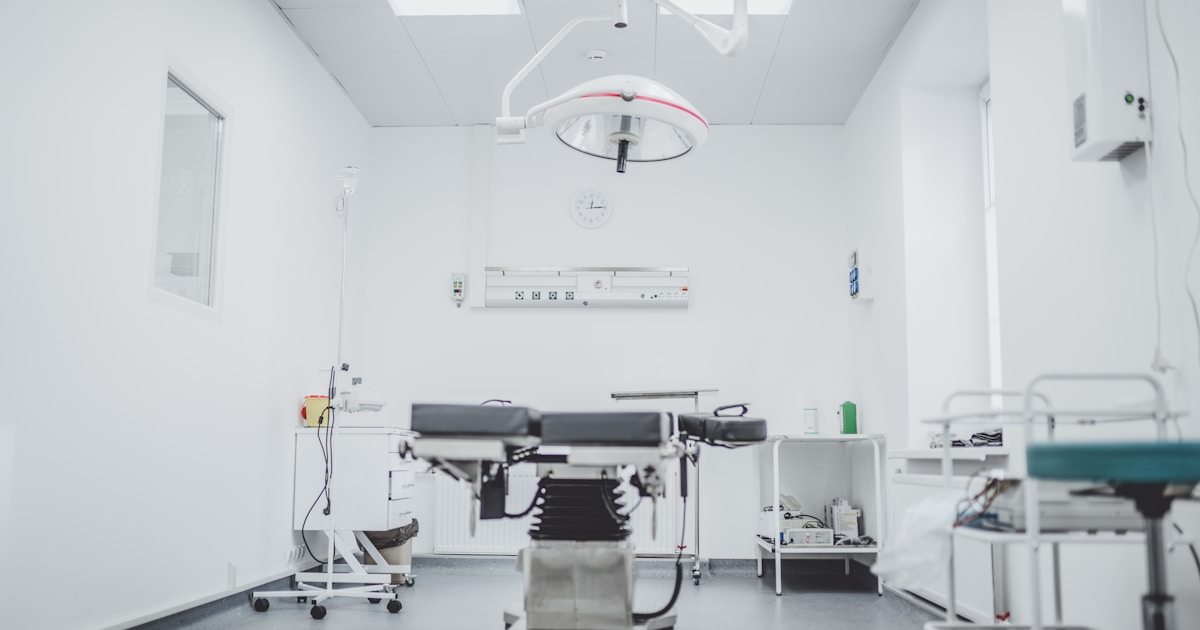
Furthermore, look for clinics that hold international quality certifications, such as Temos or ISO 9001. These organizations verify that the clinic follows strict hygiene, sterilization, and patient safety protocols. Top-tier clinics should also have dedicated surgical suites that are physically separated from general dentistry areas to minimize the risk of contamination. They should be willing to provide detailed, written treatment plans, material warranty certificates, and copy of all pre-operative and post-operative CBCT scans for your records.
Step-by-Step Patient Timeline for Implant Treatment
Dental implant treatment in Vietnam requires a two-stage process. The timeline below outlines what Australian patients should expect during each phase.
Stage 1: Surgical Placement & Temporary Crown (7-10 Days)
  ├── Day 1: Comprehensive consultation, 3D CBCT scan, and digital surgical planning.
  ├── Day 2: Surgical extractions, bone grafting (if needed), and implant placement under local anesthesia.
  ├── Day 3: Post-operative review, swelling evaluation, and placement of a temporary healing crown.
  ├── Day 4-6: Rest days; patient can enjoy gentle sightseeing or relax at the hotel.
  └── Day 7-10: Suture removal, final healing check, and clearance to fly back to Australia.

Osseointegration Period (3-6 Months at Home in Australia)
  └── The titanium implant fuses with the jawbone; patient wears temporary crown or bridge.

Stage 2: Permanent Crown Fabrication & Fitment (7-10 Days)
  ├── Return Day 1: Verification of implant stability and high-precision digital scanning.
  ├── Return Day 3-5: Laboratory mills the permanent zirconia crown using CAD/CAM technology.
  ├── Return Day 6: Trial fitment of the crown to verify bite alignment, contact points, and color.
  └── Return Day 8-10: Permanent bonding of the zirconia crown; final bite checks and warranty handover.
Frequently Asked Questions
Can I claim my dental work in Vietnam on my Australian private health insurance?
In general, Australian private health insurance funds (such as Bupa, Medibank, and HCF) do not provide rebates for dental treatments performed outside of Australia. However, the direct savings achieved by traveling to Vietnam (up to 75%) typically exceed the maximum annual limits and rebate amounts provided by these health funds anyway. We recommend contacting your health fund provider before booking to verify their specific policy regarding overseas medical care, as some premium policies may offer limited coverage under international medical tourism extensions.
What happens if an implant fails after I return to Australia?
While dental implants have a very high success rate (97-98%), failures can occur. Reputable clinics in Vietnam provide written warranties, often covering the implant fixture for lifetime and the ceramic crown for 5 to 10 years. If an implant fails to osseointegrate, the clinic will replace it free of charge, but you must return to Vietnam for the corrective surgery. To protect against this risk, many patients purchase specialized medical tourism insurance, which covers treatment for complications and travel costs back to the treating clinic.
How do I communicate with my dentist in Vietnam?
Language barriers are rarely an issue at top-tier dental clinics in Vietnam. Clinics targeting international patients employ English-speaking dentists, assistants, and dedicated patient coordinators. Many dentists have completed postgraduate studies in English-speaking countries, ensuring they can explain complex clinical procedures and treatment plans clearly. When contacting a clinic, pay attention to the quality of their initial communication, as leading clinics will provide a dedicated coordinator to guide you through every stage of your treatment.
Is it safe to eat Vietnamese food during my recovery?
During the first 7 to 10 days after implant surgery, your gums will be healing, and you must protect the surgical sites. You should consume soft, nutritious foods and avoid anything hot, spicy, or crunchy. Fortunately, Vietnamese cuisine offers excellent soft options, such as Phở (rice noodle soup, eaten warm, not hot) and Cháo (rice porridge), which are easy to eat and gentle on healing gums. Make sure to rinse your mouth gently with warm salt water after meals to keep the surgical sites clean, and avoid using straws as the suction can disturb blood clots.