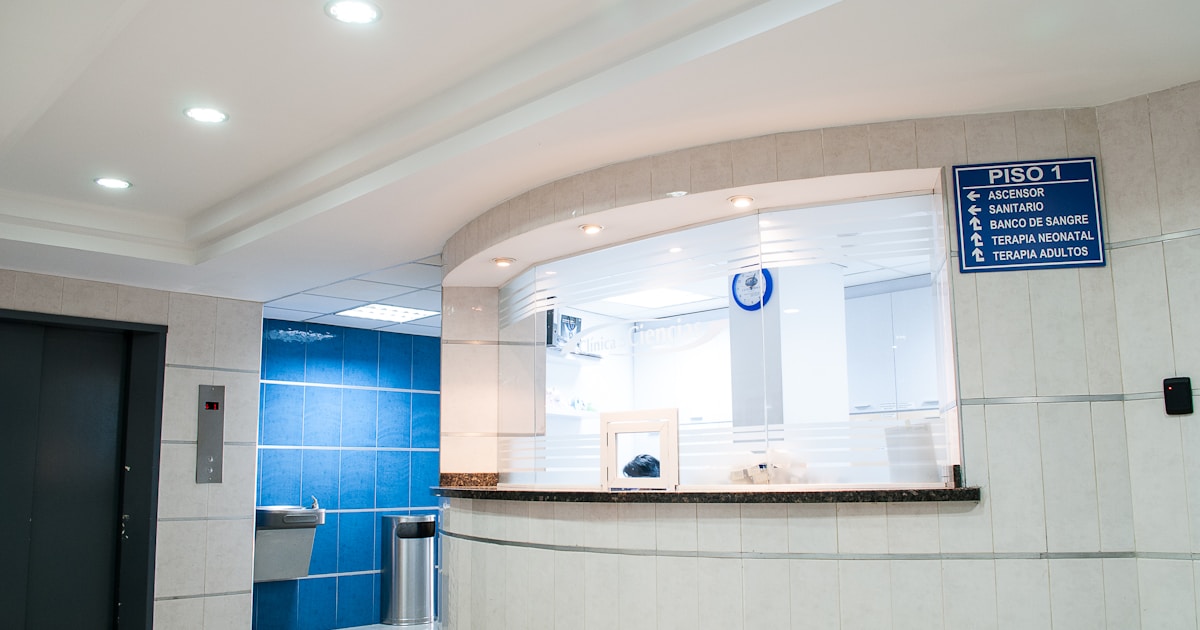
A global cosmetic surgery destination is a country recognized for its high concentration of board-certified plastic surgeons, state-of-the-art medical facilities, and competitive pricing, making it a major hub for international medical travelers seeking procedures like rhinoplasty, facelifts, or body contouring while prioritizing safety and clinical quality.
Global Cosmetic Surgery: The Rise of Medical Tourism
The global cosmetic surgery tourism market has experienced exponential growth over the past decade, driven by rising domestic healthcare costs in Western nations, long wait times under public health systems, and the globalization of medical education. According to the International Society of Aesthetic Plastic Surgery (ISAPS), over 14 million surgical and non-surgical cosmetic procedures are performed globally each year, with a significant percentage of patients traveling across international borders to receive care. International patient flows are no longer dictated solely by cost savings; instead, patients are actively seeking specialized clinical expertise, advanced technology, and luxurious recovery accommodations that are often unavailable or prohibitively expensive in their home countries.
To maintain patient safety and clinical quality, global oversight organizations like the Joint Commission International (JCI) and Temos International accredit facilities that meet rigorous safety standards. JCI-accredited hospitals must adhere to the same patient safety goals and infection control protocols as top-tier academic medical centers in the United States. According to a Glow Journal survey of 200 medical travel agencies, clinics that hold JCI or Temos accreditation exhibit a 35% lower rate of postoperative infections and surgical complications compared to unaccredited private clinics. This makes facility accreditation a primary metric for patients evaluating international cosmetic surgery hubs.
Comparative Analysis of the Top 5 Cosmetic Surgery Hubs
Evaluating global destinations requires analyzing country-specific surgical specialties, regulatory environments, average cost savings, and localized recovery support systems.
South Korea: The Global Capital of Facial Reconstruction
South Korea is widely recognized as the global leader in facial plastic surgery, particularly for facial bone contouring (V-line jaw surgery, zygoma reduction), rhinoplasty, and blepharoplasty (double eyelid surgery). The Gangnam district in Seoul houses over 500 plastic surgery clinics, forming the highest concentration of aesthetic clinics in the world. According to the Korean Society of Plastic and Reconstructive Surgeons (KSPRS), South Korean surgeons undergo a rigorous four-year residency program after medical school, followed by mandatory board examinations, ensuring an exceptionally high level of specialized skill.
The country’s clinics are equipped with advanced diagnostic technologies, including 3D-CT scanners that map facial nerves and bone density before surgery to prevent nerve damage. The average cost savings in South Korea range from 30% to 50% compared to US and UK prices. While South Korea is not the cheapest destination, its surgical precision and natural-looking outcomes make it the premier hub for facial aesthetics. The primary regulatory body is the Korean Ministry of Health and Welfare, which enforces strict registration requirements for clinics treating foreign patients to prevent unlicensed brokers.
Turkey: The Leader in High-Volume and Combined Procedures
Turkey, particularly Istanbul, has become a global hub for high-volume procedures, including rhinoplasty, hair transplants, and body contouring (such as the “Mommy Makeover”). According to the Turkish Ministry of Health, the country welcomed over 1.2 million medical tourists in 2025, driven by a combination of skilled board-certified surgeons and competitive package pricing. Turkish clinics frequently bundle surgical fees, luxury hotel accommodations, private airport transfers, and translation services into a single flat rate, presenting an attractive option for international patients.
Average cost savings in Turkey are substantial, often reaching 60% to 70% compared to Western Europe and North America. The Turkish Society of Plastic, Reconstructive and Aesthetic Surgery (TPCD) regulates the profession, ensuring that surgeons are properly certified. However, the high volume of patients means that patients must carefully vet individual surgeons to ensure they are receiving personalized care rather than undergoing surgery in a high-throughput “clinic factory” where the lead surgeon may only perform parts of the procedure.
Thailand: The Pioneer in Gender Affirmation and Medical Hospitality
Thailand is a pioneer in medical tourism, known for its world-class JCI-accredited private hospitals, such as Bumrungrad International Hospital in Bangkok and Bangkok Hospital Phuket. The country specializes in gender affirmation surgeries (gender reassignment), body contouring, breast augmentations, and facelifts. Thai medical tourism is built on medical hospitality, combining clinical care with resort-style recovery environments that facilitate postoperative healing.
Surgical training in Thailand is highly rigorous, regulated by the Society of Plastic and Reconstructive Surgeons of Thailand (ThSPRS). The average cost savings range from 50% to 60%. Thailand’s tropical climate and wellness infrastructure allow patients to combine their surgical recovery with holistic rehabilitation, though patients must remain near their surgical hospital during the acute recovery phase to manage any complications before returning home.
Mexico: The Preferred Destination for North American Patients
Mexico is the primary destination for patients from the United States and Canada, driven by geographic proximity, drive-in border access (in cities like Tijuana and Mexicali), and affordable flights to medical hubs like Cancun, Guadalajara, and Mexico City. The country is highly ranked for bariatric-cosmetic combination surgeries, breast augmentations, tummy tucks, and liposuction.
The Mexican Association of Plastic, Reconstructive and Aesthetic Surgery (AMCPER) is the governing board that certifies plastic surgeons. To practice legally, certified surgeons must also hold a valid license (Cédula Profesional) and registration with the National Council of Plastic Surgery (CONACEM). Average cost savings in Mexico are between 50% and 65%. The close proximity allows North American patients to travel back to the US easily, though patients must still adhere to recommended wait times before flying or driving long distances to prevent deep vein thrombosis (DVT).
Colombia: The Specialist in High-Definition Liposculpture
Colombia, with major medical hubs in Bogotá, Medellín, and Cali, is world-renowned for body contouring, particularly High-Definition Liposculpture (HD Lipo) and the Brazilian Butt Lift (BBL). Colombian plastic surgeons have pioneered several advanced liposuction techniques, utilizing VASER (ultrasonic) and MicroAire (power-assisted) technologies to sculpt athletic muscle definition.
The Colombian Society of Plastic, Reconstructive and Aesthetic Surgery (SCCP) regulates board certification in the country. Colombian clinics offer cost savings of 60% to 75% compared to US prices. The country has implemented strict safety regulations in recent years, including the mandatory registration of private clinics and the prohibition of major surgeries in non-hospital settings (clínicas de garaje), significantly improving safety standards for international patients.
Global Cosmetic Surgery Rankings Table
The table below compiles key metrics for the top five cosmetic surgery destinations, comparing average cost savings, regulatory bodies, and surgical specialties.
| Country | Primary Surgical Specialties | Average Cost Savings | Key Regulatory & Certification Bodies | Recommended Hub Cities |
|---|---|---|---|---|
| South Korea | Facial contouring, Rhinoplasty, Blepharoplasty | 30% – 50% | Ministry of Health & Welfare; KSPRS | Seoul (Gangnam District) |
| Turkey | Rhinoplasty, Hair Transplants, Mommy Makeovers | 60% – 70% | Ministry of Health; TPCD | Istanbul, Antalya, Izmir |
| Thailand | Gender Affirmation, Facelifts, Breast Augmentations | 50% – 60% | Medical Council of Thailand; ThSPRS | Bangkok, Phuket, Chiang Mai |
| Mexico | Breast Reconstruction, Tummy Tucks, Bariatric-Cosmetic | 50% – 65% | AMCPER; CONACEM | Tijuana, Guadalajara, Cancun |
| Colombia | HD Liposculpture, BBL, Body Contouring | 60% – 75% | SCCP; Ministry of Health | Bogotá, Medellín, Cali |
How to Vet a Foreign Cosmetic Surgery Clinic
Verifying the credentials of international clinics and surgeons is the most critical step in mitigating the risks of medical tourism. Patients should establish a rigorous vetting checklist before booking any procedures:
- Verify Board Certification: The surgeon must be a member of the national plastic surgery association in their home country (e.g., KSPRS in Korea, TPCD in Turkey, AMCPER in Mexico, SCCP in Colombia, ThSPRS in Thailand). Membership in the International Society of Aesthetic Plastic Surgery (ISAPS) or the American Society of Plastic Surgeons (ASPS) as an international member is an excellent indicator of advanced training.
- Check Hospital Affiliation: Many cosmetic procedures are performed in private clinics. For patient safety, ensure that the surgeon has operating privileges at a major, accredited hospital nearby. In the event of a rare surgical complication, a full-service hospital has the intensive care units (ICUs) and multidisciplinary specialists required to manage emergencies.
- Inspect Facility Accreditation: Look for international accreditations such as Joint Commission International (JCI) or Temos International. If the clinic is local, it should be accredited by the national Ministry of Health and comply with local surgical facility standards (e.g., COFEPRIS licensing in Mexico).
- Request Before-and-After Portfolios: Review the surgeon’s past work, focusing on patients with similar anatomical features and goals. Be cautious of heavily edited images or stock photos. A reputable surgeon will share unedited, standardized front and profile views of their patients.
- Confirm Medical Travel Insurance Coverage: Standard travel insurance does not cover complications resulting from elective cosmetic surgeries. Patients must purchase specialized medical tourism insurance (e.g., through companies like Global Protective Solutions) that covers medical evacuation, emergency readmission, and corrective procedures abroad.
Frequently Asked Questions
Is cosmetic surgery abroad safe compared to having it in my home country?
Cosmetic surgery abroad can be as safe as having it in your home country, provided you perform rigorous vetting. Safety is not determined by geography, but by the credentials of the surgeon and the accreditation of the facility. Choosing a board-certified plastic surgeon operating in a JCI-accredited hospital minimizes risks. However, medical tourism does introduce unique risks, such as the stress of travel, potential language barriers, and the difficulty of receiving follow-up care if complications arise after you return home. Purchasing specialized medical travel insurance is essential to mitigate these risks.
Which country is the best for facial surgery versus body contouring?
For facial surgery (including rhinoplasty, blepharoplasty, and facial bone contouring), South Korea is widely considered the top destination due to its high volume of cases, advanced diagnostic imaging, and surgical precision. For body contouring (such as HD liposuction, tummy tucks, and Brazilian Butt Lifts), Colombia and Turkey are highly rated. Colombian surgeons are world-renowned for pioneering advanced liposculpture techniques, while Turkey offers highly experienced surgeons and comprehensive package pricing for multi-procedure reconstructions like the “Mommy Makeover.”
How do I verify if a foreign plastic surgeon is board-certified?
To verify a foreign plastic surgeon’s board certification, you must check their credentials with the national plastic surgery society in their country. For example, in Mexico, search the surgeon’s name on the AMCPER and CONACEM directories; in Colombia, check the SCCP database; in Turkey, verify with the TPCD; and in South Korea, check the KSPRS register. A reputable surgeon will provide their registration numbers upon request. You should also search the International Society of Aesthetic Plastic Surgery (ISAPS) member directory, which requires active national board certification for membership.
What hidden costs should I anticipate when budgeting for cosmetic surgery abroad?
While the base surgical quote often covers the surgeon’s fee, operating room costs, and basic implants, patients should prepare for several potential hidden expenses. These include specialized postoperative compression garments, prescribed medications (painkillers, antibiotics, scar gels), laboratory blood tests required before surgery, fees for follow-up lymphatic drainage massages (essential after liposuction), local transportation (taxis or private transfers to the clinic), travel insurance tailored for medical complications, and cost overruns if you need to extend your hotel stay due to delayed healing.

